Calendar Anxiety: 4 Ways to Stop Dreading Your Own Schedule in 2026
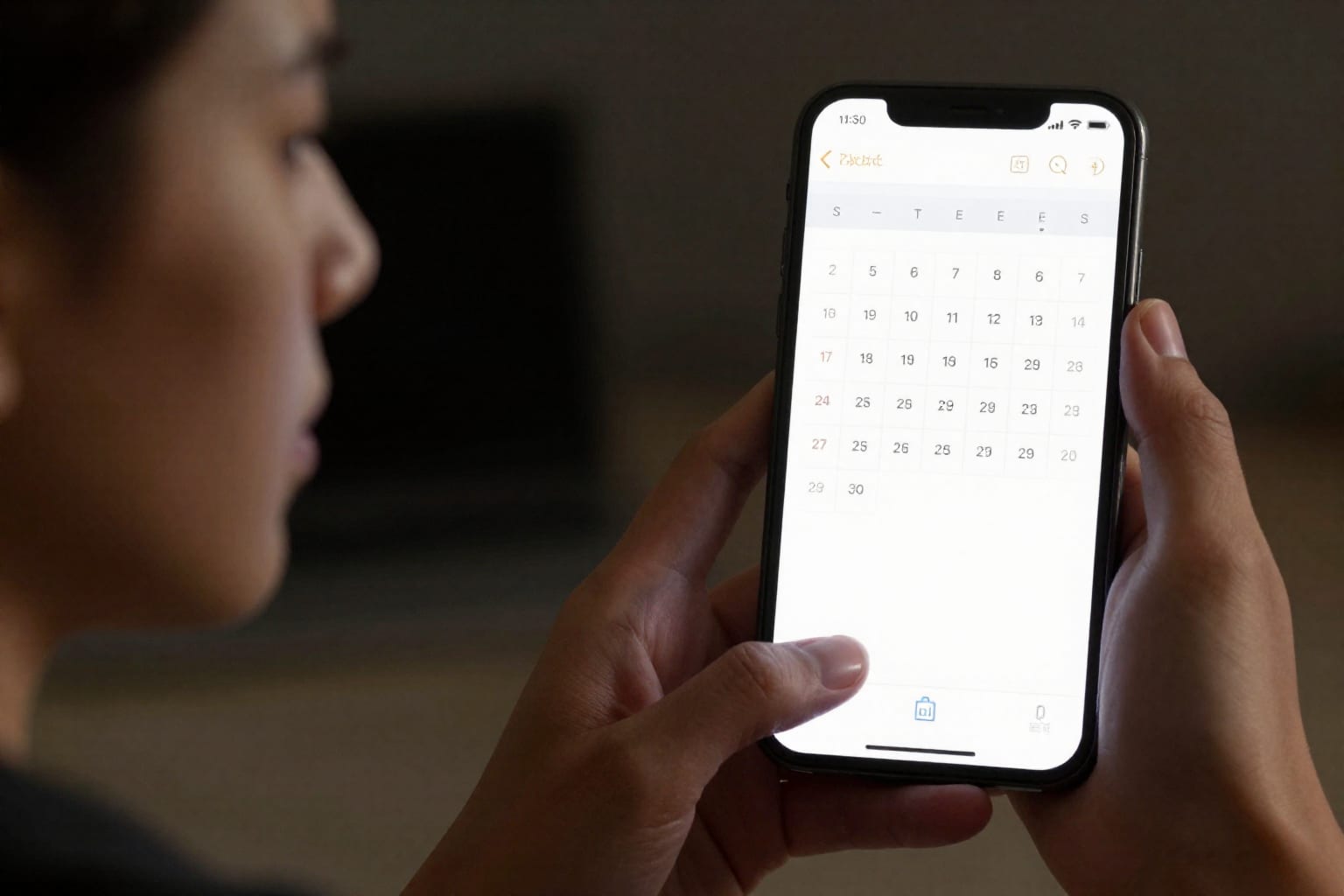
I was staring at my phone at 10:47 PM on a Sunday, scrolling through the next week’s calendar, and my chest actually tightened. There it was: back-to-back meetings, a dentist appointment I’d been dreading for months, a friend’s birthday dinner I felt obligated to attend, and three deadlines I’d somehow agreed to. I didn’t feel organized. I felt trapped. That’s calendar anxiety—that visceral dread of your own schedule, even when nothing on it is technically bad. And if you’ve felt it too, you’re not broken. You’re just running a system designed for someone else’s priorities.
The Real Reason You’re Dreading Your Schedule (and Why It’s Not Your Fault)
Calendar anxiety isn’t an official diagnosis—you won’t find it in the DSM-5—but it’s a very real psychological response to a specific kind of overload. Think of it as the stress you feel when your schedule feels like a list of obligations instead of a set of choices. The American Psychological Association has documented how time pressure triggers cortisol spikes, and when every slot on your calendar is filled, your brain reads that as a threat to your autonomy. You’re not lazy; you’re responding to a perceived loss of control.
I’ve talked to dozens of friends and colleagues about this, and the common thread is always the same: they didn’t put half those items on the calendar. They said yes out of guilt, fear of missing out, or sheer momentum. The calendar becomes a toxic to-do list written by other people. And the worst part? The dread often shows up before the actual event—sometimes days before—which means you’re paying the emotional cost of an obligation twice: once in anticipation, once in attendance.
But here’s the good news: calendar anxiety is fixable. Not by becoming a hyper-organized robot, but by reclaiming the steering wheel. Below are four strategies that pulled me out of that Sunday-night spiral—and they can do the same for you in 2026.
1. Audit Your Calendar Like a Detective (Not a Critic)
When I first tried to fix my schedule, my instinct was to judge myself. Why did you say yes to that? You’re so bad at boundaries. That critic voice only made the anxiety worse. What helped was switching to a detective’s mindset—curious, neutral, and focused on evidence.
Here’s the process I used: I opened my calendar for the next two weeks and color-coded every event into three categories—committed (non-negotiable: work meetings, medical appointments), optional (social events, volunteer shifts I could skip), and ghost (things I’d said yes to but hadn’t actually confirmed or even remembered). The results were humbling. Of thirty-two events, ten were optional, and six were ghosts. That’s half my calendar that didn’t need to be there.
The key is to do this without self-blame. You’re not a bad person for having ghosts; you’re a busy person who needs a system. Once I saw the data, I gave myself permission to cancel or defer anything in the optional and ghost categories. I sent a quick text to a friend: “Hey, I’m overcommitted this week—can we rain check our coffee?” Every single person said yes. Nobody was offended. The dread started to lift within hours.
Action step: Spend 15 minutes this week doing a calendar audit. Use a highlighter or digital labels. Then delete or reschedule at least three optional events. You’ll feel lighter immediately.
2. Build in ‘Do-Nothing’ Blocks (Yes, on Purpose)
This one felt radical to me at first. I’m a recovering overpacker—the kind of person who schedules “free time” and then fills it with errands. But in my own setup, I noticed that even enjoyable events were draining me because there was no transition time. I’d go from a tense work call to a lively dinner party, and my nervous system never had a chance to reset.
So I started adding what I call do-nothing blocks to my calendar. These are 30- to 60-minute slots with no agenda. No reading, no scrolling, no “productive” relaxation. Just sitting, staring out the window, or lying on the floor. I literally label them “white space” in my calendar. The first time I did it, I felt guilty. But after a week, I noticed something strange: the dread of upcoming events decreased because I knew there was a buffer afterward.
Here’s a concrete example: I had a networking event I was dreading—a two-hour mixer with strangers. Normally, I’d schedule it and then pack my next morning with meetings. Instead, I blocked the hour after the event as a do-nothing block. I went home, changed into sweatpants, and watched a dumb TV show. The event itself was still awkward, but I didn’t carry that stress into the next day. The white space absorbed it.
Action step: Pick two days next week and add one do-nothing block to each. Start with 20 minutes. Defend it like you would a doctor’s appointment. Your calendar is not a conveyor belt; it’s a garden that needs fallow periods.
3. Use a ‘Decision Threshold’ to Stop Overcommitting
Most calendar anxiety doesn’t come from a single event—it comes from the accumulation of tiny yeses you didn’t think through. The cure is a simple rule I call the decision threshold. It’s a personal limit that you set in advance, so you don’t have to make a difficult decision in the moment when you’re feeling pressured.
For me, the threshold is three social events per week. If I already have three things on the calendar—a dinner, a coffee, a volunteer shift—and someone invites me to a fourth, my default answer is “no” without guilt. I don’t need to weigh the pros and cons every time. The rule decides for me. This has been a game-changer because it removes the emotional labor of saying no. I simply say, “I’m at my limit this week, but let’s find another time.”
You can set your threshold based on energy, not just time. If you’re an introvert, maybe your threshold is two social events per week. If you’re recovering from burnout, maybe it’s zero non-essential events for a month. The key is to write it down and treat it like a boundary, not a suggestion.
Action step: Set one decision threshold for the next month. Write it on a sticky note or in your phone notes. When you’re invited to something that pushes you past that threshold, use the script: “Thanks for thinking of me, but I’m at my capacity this week.” No explanation needed.
4. Reframe Your Calendar as a Tool, Not a Trap
The final piece is the mindset shift. For years, I saw my calendar as a trap—a thing that controlled me. But that’s like blaming your toaster for burning your toast. The calendar is just a tool. The problem is how we use it.
I started a small daily ritual that changed everything: every morning, I spend 60 seconds looking at my calendar and mentally asking, “What on here is a choice I made for my well-being?” Even on busy days, there’s usually one thing—a workout, a lunch with a friend, a block of focused work. I acknowledge that choice. This simple reframing shifts my brain from seeing the calendar as a list of demands to seeing it as a record of decisions I made with intention.
Worth bookmarking before your next scheduling spiral: the goal isn’t to have an empty calendar. The goal is to have a calendar that reflects your values, not your obligations. When you stop treating it as a trap, it becomes a map of a life you chose.
Surprising-but-true insight: Calendar anxiety often peaks when you have too many good options, not too many bad ones. The antidote isn’t fewer events; it’s clearer priorities.
FAQ: Quick Answers to Common Questions
What exactly is calendar anxiety?
Calendar anxiety is a feeling of dread, overwhelm, or panic when looking at your schedule, often caused by overcommitment, lack of control, or fear of failure. It’s not a clinical diagnosis, but it’s a very real stress response.
Can calendar anxiety be a symptom of something else?
Yes, it can overlap with general anxiety, ADHD, burnout, or perfectionism—but for many, it’s a standalone stress response to poor scheduling habits. If it’s persistent and severe, it’s worth discussing with a therapist.
How long does it take to stop dreading my schedule?
Most people notice a shift within 1–2 weeks of implementing one or two of these strategies, but full relief often takes a month or more of consistent practice. Be patient with yourself.
Is it okay to cancel plans just because I feel anxious?
Yes, but aim to do so thoughtfully—canceling occasionally is healthy; using it as a pattern without addressing the root cause may reinforce the anxiety. Use it as a data point, not a habit.
What if my schedule is full of things I want to do?
Even positive events can cause calendar anxiety if there’s no rest or transition time. The key is balance—mix high-energy events with low-energy blocks. Your do-nothing blocks are non-negotiable, even for fun stuff.
Your Practical Takeaway
Calendar anxiety is not a character flaw; it’s a signal that your schedule needs recalibration. Start with one strategy: audit your calendar like a detective, add a do-nothing block, set a decision threshold, or try the morning reframe. Pick the one that feels easiest and do it tomorrow. The dread won’t vanish overnight, but you’ll feel the grip loosen. You deserve a schedule that supports you, not suffocates you.