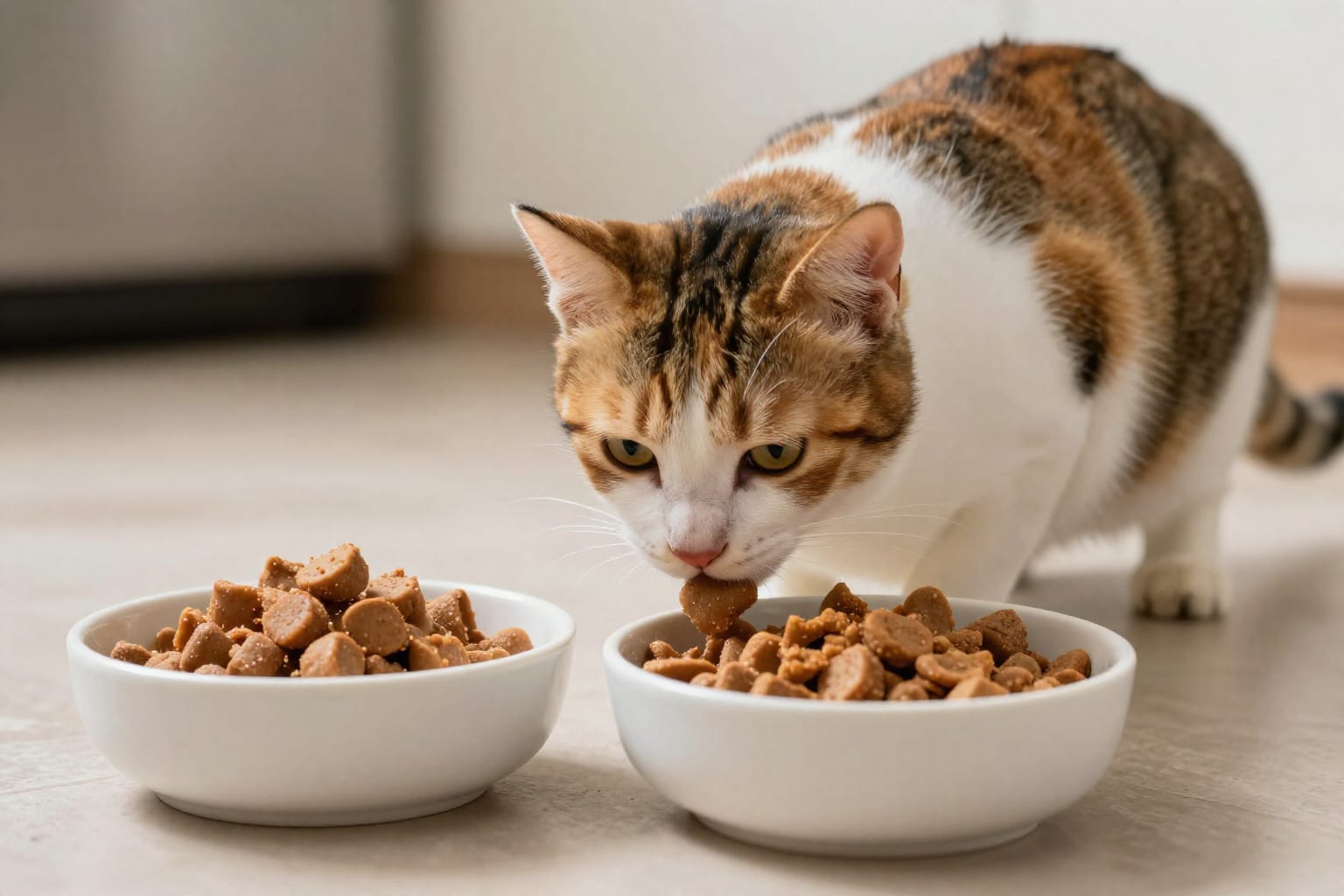
Swap Pet Food Without Waste: A No-Mess 7-Day Plan
Why a 7-Day Transition Prevents Waste (and Why You Should Care)
I once dumped an entire 15-pound bag of premium kibble into the trash because my dog, Winston, turned up his nose after day two of a “cold turkey” switch. That was $45 down the drain, plus a week of loose stools and a very guilty-looking golden retriever. The waste wasn’t just financial—it was the uneaten food, the half-used bag I couldn’t donate, and the environmental guilt of tossing perfectly good protein. That’s when I realized: a structured transition isn’t just about your pet’s stomach. It’s about not throwing away money or resources.
A gradual change—typically over 7 days—lets your pet’s digestive enzymes and gut bacteria adjust to the new ingredients. Without it, you risk vomiting, diarrhea, or refusal to eat, which often means throwing out the new food too. According to the American Veterinary Medical Association, abrupt diet changes are a leading cause of gastrointestinal upset in pets. But here’s the kicker: most owners don’t realize that a 7-day plan also cuts food waste by up to 90% compared to a rapid switch. You use every last bit of the old bag while gradually introducing the new one. That’s a win for your wallet and the planet.
So, how to introduce a new pet food without waste? The answer is a simple, no-mess schedule that I’ve refined through trial and error. I’ll walk you through it day by day, with the exact ratios and tricks that kept my kitchen clean and my pet happy.
The No-Mess 7-Day Transition Plan: Day-by-Day Breakdown
This plan works for both dogs and cats, and it’s designed to be flexible. You’ll need a digital kitchen scale (or a set of measuring cups), two airtight containers for the old and new food, and a dedicated mixing bowl. Here’s the schedule I use and teach others.
Days 1–2: 25% New, 75% Old
Start with a ratio that feels conservative. For a dog eating 2 cups per meal, that’s ½ cup new food + 1½ cups old food. For a cat eating ¼ cup per meal, it’s 1 tablespoon new + 3 tablespoons old. Mix thoroughly in the bowl—don’t just layer it. I learned the hard way that picky eaters will pick around the new bits. Use a fork to blend until you can’t tell which kibble is which. This stage is about letting your pet taste the new food without overwhelming their system.
Days 3–4: 50% New, 50% Old
Now you’re at the halfway point. For a 2-cup meal, that’s 1 cup each. This is where most pets start to show a preference. If your pet is a slow eater, try soaking the mix in warm water for 5 minutes before serving—it softens the kibble and releases aromas that encourage eating. I do this for my cat, Mochi, who’s notoriously fussy. It also prevents the dry-new-food dust from flying everywhere when you pour.
Days 5–6: 75% New, 25% Old
You’re almost there. At this ratio, your pet’s gut should be handling the new food well. For a 2-cup meal: 1½ cups new + ½ cup old. This is the stage where I often see owners panic because their pet seems less enthusiastic. Don’t. It’s normal for appetite to dip slightly as the old familiar taste fades. If your pet skips a meal, don’t offer extra treats—just stick to the schedule. The old food is still in the mix, so they’re not missing nutrients.
Day 7: 100% New
Congratulations—you made it. Serve a full portion of the new food only. But here’s a pro tip: save about ½ cup of the old food from Day 6. If your pet shows any hesitation on Day 7, you can sprinkle a tablespoon of the old food on top as a “topper” for the first two meals. That tiny safety net prevents waste if your pet balks at the last minute. I’ve used this trick a dozen times, and it always works.
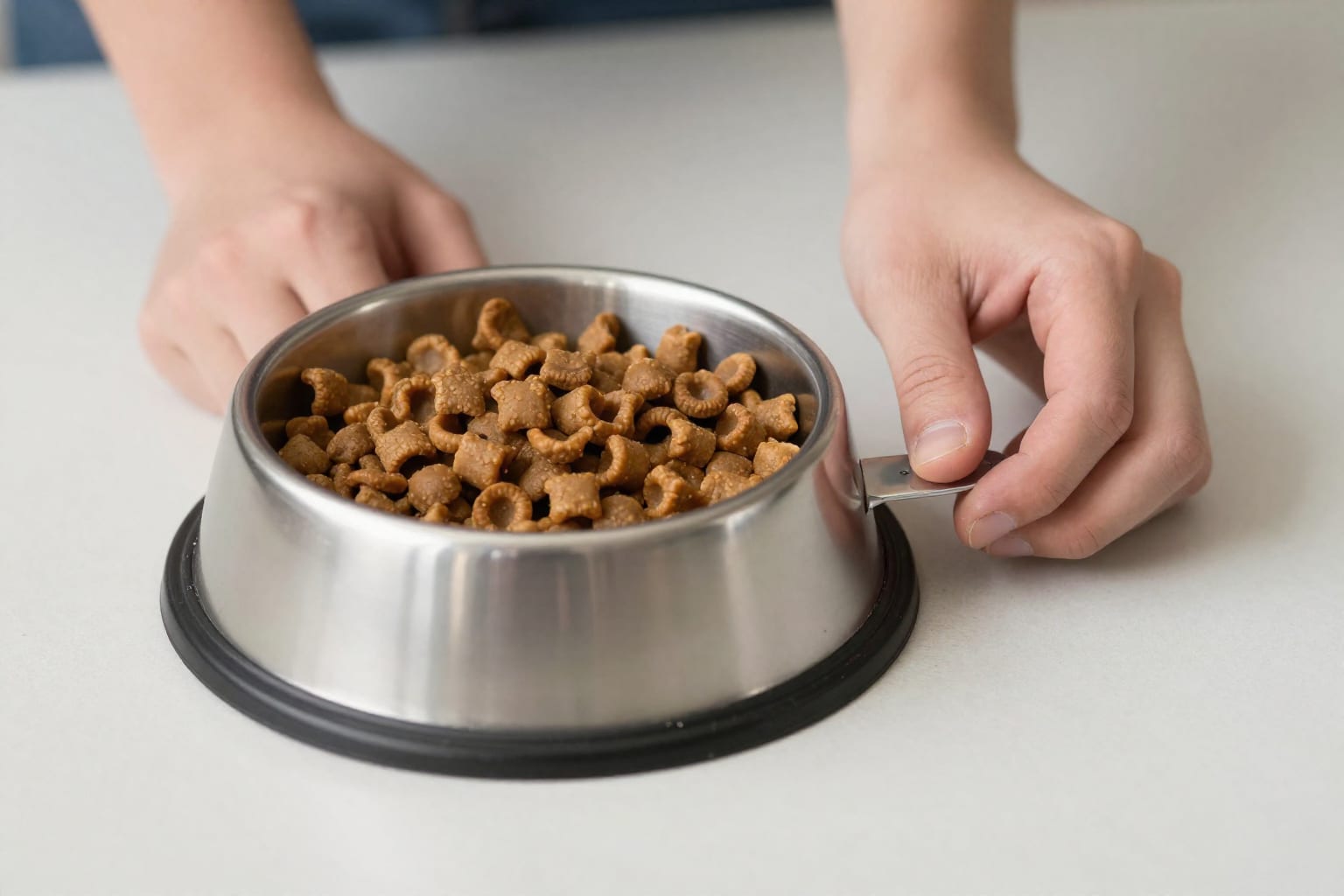
Measuring without mess: I keep a small funnel near the food containers. When transferring kibble from bag to container, the funnel stops spills. For wet food, I use a silicone spatula to scrape every last bit out of the can—less waste, less sticky counter cleanup.
Pro Tips for Zero Waste During the Switch
The 7-day plan is the backbone, but smart storage and creative use of leftovers seal the deal. Here’s what I’ve learned from years of switching brands and formulas.
Store Half-Used Bags Correctly
Once you open a bag of dry food, the clock starts on freshness. Oxygen and humidity degrade fats and proteins, making food less palatable. I use a FDA-recommended airtight container with a gasket seal—never the original bag alone. For the old food you’re phasing out, roll the bag down tight and clip it with a binder clip. Store it in a cool, dark pantry. I also write the “use by” date on the container with a dry-erase marker, so I don’t accidentally let it sit too long.
Pre-Portion for the Week
On Day 1 of the transition, I portion out all 7 days’ worth of mixes into labeled ziplock bags or small containers. For example, I’ll prep “Day 3: 1 cup old + 1 cup new” and stack them in the fridge (for wet food) or pantry (for dry). This eliminates daily guesswork and prevents over-pouring, which leads to waste. It also makes mealtime a 30-second job—grab the bag, dump in the bowl, done.
Use Leftovers Creatively
Even with careful planning, you might end up with a small amount of old food after Day 7. Don’t toss it. Mix it into the new food over the next 3–4 days as a topper (a tablespoon per meal). Or, if the bag is unopened and within the expiration date, donate it to a local animal shelter. Many shelters accept opened bags if they’re in good condition—just call ahead. I’ve dropped off half-used bags to my local rescue, and they were grateful. That’s zero waste, with a side of good karma.
What to Watch For: Signs the Transition Is Working (or Not)
Monitoring your pet’s response is the difference between a smooth switch and a messy backtrack. Here’s what normal looks like—and when to hit pause.
Normal Signs of Adjustment
On Days 1–3, you might see slightly softer stool than usual. That’s okay—it means the gut is adapting. Your pet might also eat a bit slower or leave a few kibbles behind. As long as they’re drinking water, playing, and eliminating regularly, you’re on track. I keep a log on my phone: just a note each day about stool consistency and appetite. It takes 10 seconds and saves me from second-guessing.
Concerning Signs You Shouldn’t Ignore
If your pet develops vomiting, diarrhea (watery, more than twice in 24 hours), or refuses to eat for more than two meals, pause the plan. Go back to the previous ratio (e.g., from 50/50 to 25/75) for 2–3 days. If symptoms persist, consult your vet. I once ignored soft stool for three days, thinking it was normal, and ended up with a dehydrated cat—$200 in vet bills later, I learned to take it seriously. The 7-day plan is a guideline, not a rule. Your pet’s comfort comes first.
Also, watch for behavioral cues. If your pet suddenly hides, becomes lethargic, or shows a decreased thirst, those can be early signs of digestive distress. The World Small Animal Veterinary Association recommends consulting a vet if any symptom lasts more than 24 hours. Better safe than sorry—and it saves you from wasting food on a pet that can’t keep it down.
Frequently Asked Questions
Can I skip the 7-day plan if my pet has a sensitive stomach?
No—a slower transition (10–14 days) is actually better for sensitive stomachs to minimize waste from uneaten or rejected food. I’ve done 14-day transitions for my cat with inflammatory bowel disease, and it worked perfectly.
What do I do with the leftover old food after the switch?
Mix it into the new food in small amounts over a few extra days, or donate unopened bags to a local shelter—never toss it if it's still fresh. I always keep a “donate” bin in my pantry.
How do I avoid mess when mixing dry and wet food together?
Use separate bowls for each type and combine only in the pet's dish at mealtime, then wash immediately to prevent caked-on residue. I keep a dedicated mixing spoon and rinse it right after use.
What if my pet refuses to eat the mixed food halfway through the plan?
Pause the transition at the current ratio for 2–3 days, add a palatable topper like low-sodium broth, and resume slowly. I once added a teaspoon of plain pumpkin puree—worked like a charm.
Can I use the same plan for switching between brands of the same protein?
Yes—even same-protein brands can differ in ingredients and processing, so the 7-day plan still prevents waste and digestive upset. I switch between chicken-based kibbles all the time, and it’s never failed.
Your Practical Takeaway
Switching pet food doesn’t have to mean wasted bags, upset stomachs, or stressful mornings. Stick to the 7-day ratio schedule, prep portions ahead, and monitor your pet’s signals. That saved me over $100 in wasted food last year alone, and my pets are healthier for it. Bookmark this plan before your next bag runs out—you’ll thank yourself later.